
Retractable roof systems are changing how outdoor spaces are designed and used. Instead of being limited by the weather, they allow homeowners and businesses to create environments that adapt throughout the day – offering shade, shelter, or open air whenever needed.
At Designer Shade Solutions, this transformation comes from three core systems: retractable louvre roofs, retractable fabric roofs, and retractable glass roofs. Each offers a different balance of control, protection, and visual impact, but all are built to make outdoor living more practical and enjoyable year round.
A More Flexible Way to Use Outdoor Space
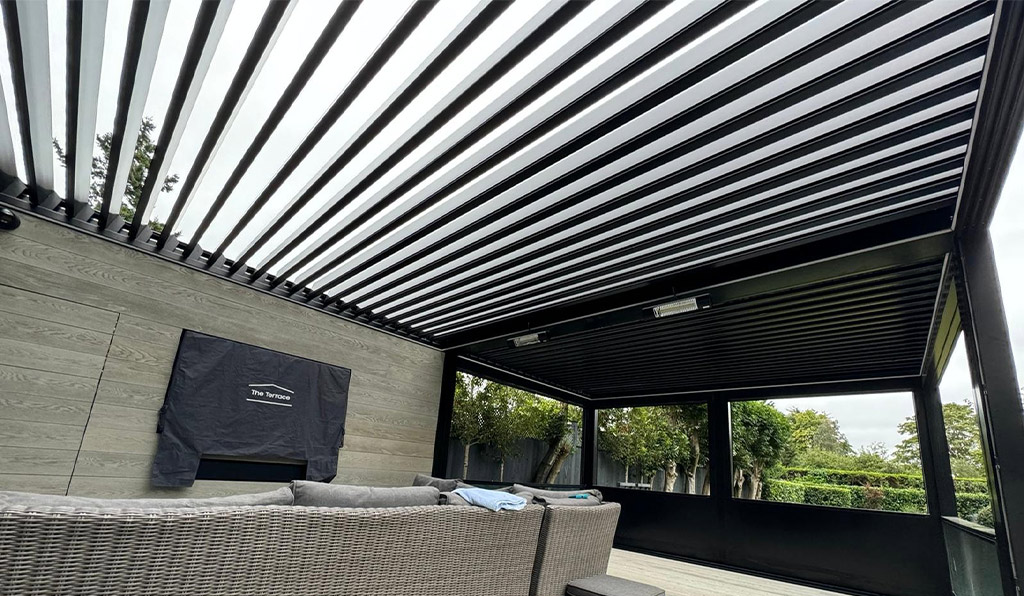
The main advantage of a retractable roof in London is control. With a simple adjustment, a space can shift from fully open to fully covered in seconds. Louvre systems allow you to tilt or retract the slats to manage sunlight and airflow, while fabric systems extend smoothly to provide clean, modern coverage. Glass roofs take this further by creating enclosed, insulated spaces that can still open up when required.
This flexibility means patios, terraces, and outdoor seating areas are no longer weather dependent. Instead, they become reliable, usable spaces regardless of season.
What Are the Benefits of a Louvred Pergola?
When asking what are the benefits of a louvred pergola, it comes down to adaptability. Louvre roofs give you precise control over light and ventilation, while also providing strong protection from rain when closed. They are particularly effective for spaces that need to perform throughout the day—offering shade in the afternoon and open skies in the evening.
They also bring a clean, architectural look that works across both modern and traditional properties, making them a popular choice for gardens, patios, and hospitality terraces.
Fabric Roof Systems: A Modern Alternative to Awnings
Retractable fabric roofs offer a slightly different approach, combining performance with a softer, more minimal aesthetic. Unlike traditional awnings, these systems are designed for larger spans and improved durability, with aluminium structures that provide strength and wind resistance.
They are especially effective in hospitality environments, where creating a comfortable, sheltered space directly impacts customer experience. The ability to quickly close the roof during rain, while maintaining a bright and open feel, makes them a practical and visually appealing solution.
Comparing Louvre and Fabric Systems
To understand where each system fits best, it helps to compare how they perform in everyday use:
| Feature | Louvre Roof | Fabric Roof |
| Light Control | Adjustable slats for precision | Soft filtered light |
| Weather Protection | Fully sealed when closed | Fully waterproof when extended |
| Aesthetic | Structured and architectural | Clean and minimal |
| Ideal Use | Patios, Bars, Terraces | Terraces, cafés, restaurants |
This comparison highlights how both systems deliver strong performance, but suit slightly different design preferences and applications.
Glass Roof Systems: Light, Insulation and Year-Round Use
For projects where insulation and natural light are key, retractable glass roofs offer a premium solution. With large spans and high-performance glazing, they create enclosed spaces that remain bright, comfortable, and energy efficient.
These systems can open up to 90%, allowing a seamless transition between indoor and outdoor living. When closed, they provide excellent thermal performance, making them ideal for extensions, restaurants, and covered terraces.
Performance Comparison Across All Systems
Each system offers a different level of performance depending on the priority:
| Capability | Louvre | Fabric | Glass |
| Sun Control | High | Medium | Low |
| Rain Protection | High | High | Very High |
| Thermal Efficiency | Medium | Medium | High |
| Natural Light | Medium | Medium | Very High |
Placed in context, this shows how glass systems lead on insulation and light, while louvre and fabric systems offer greater day-to-day flexibility.
A Smarter Investment for Homes and Businesses
Across all three options, the result is the same: more usable space. For homeowners, this means extending living areas into the garden. For commercial settings, it often leads to increased footfall and longer customer dwell time, as spaces remain comfortable in all conditions.
With the addition of lighting, heating, side screens, and smart automation, retractable roof systems can be tailored to suit almost any environment—turning underused outdoor areas into functional, high-value spaces.
FAQs
Which retractable roof system should I choose?
Retractable louvre roofs are best for flexibility and airflow, fabric roofs for cost-effective coverage with strong visual appeal, and retractable glass roofs for insulation and maximum light.
Can these systems be used all year round?
Yes. When combined with heating and side enclosures, they create comfortable environments even in colder weather.
Are retractable roofs automated?
All systems can be operated via remote control and can be upgraded with sensors or smart home integration for automatic adjustment.