
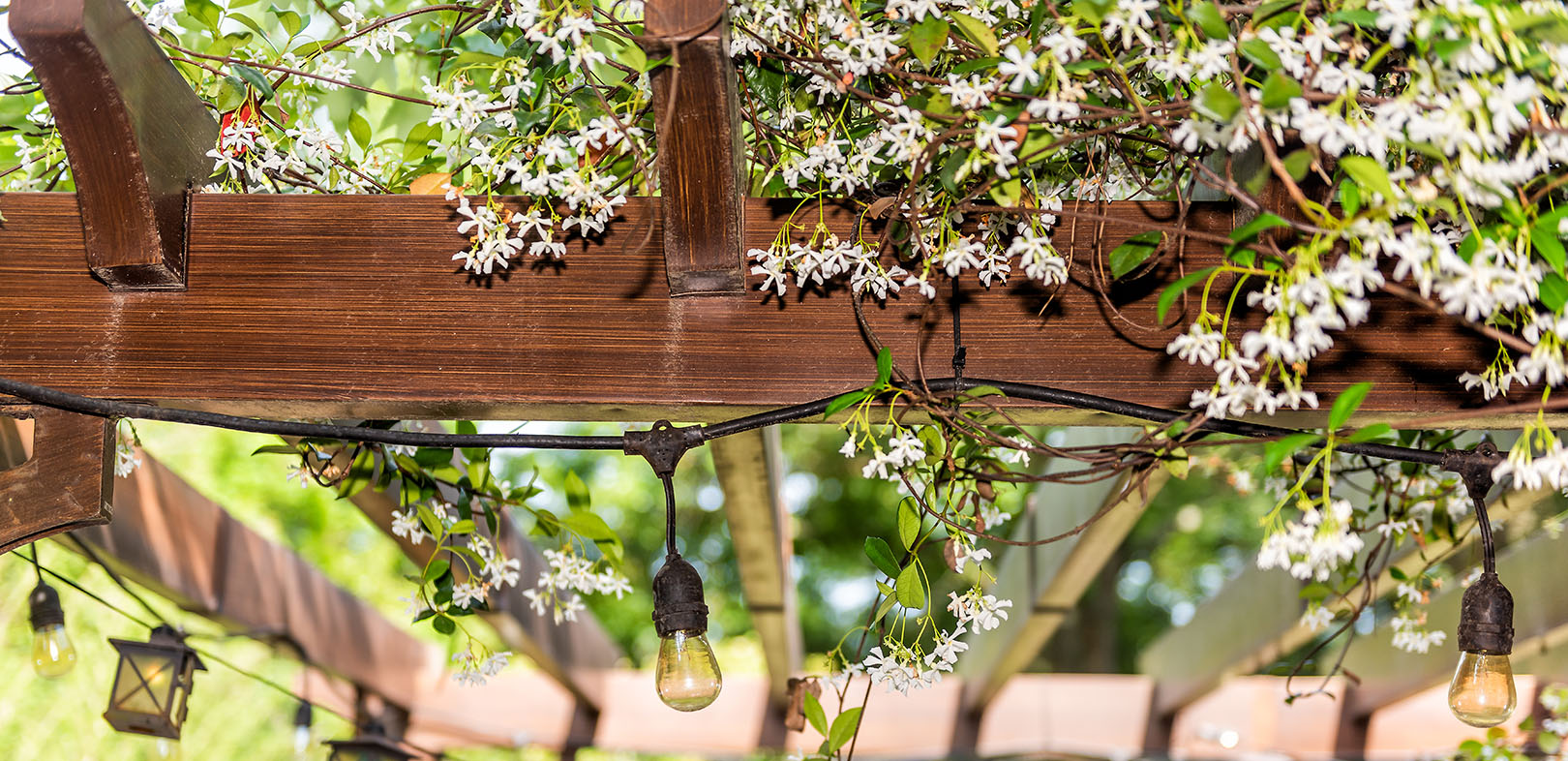
Yes, pergolas are usually safe in windy conditions, but their performance depends heavily on the quality of installation, the materials used, the size of the structure, and whether features such as roofs, side screens, or louvres are fitted.
Any pergolas that are poorly installed or lightweight may become unstable in strong winds, while professionally installed systems made from appropriate materials and designed to withstand UK weather can remain safe and durable for many years.
In exposed areas, wind loading is one of the most important considerations when choosing a pergola and any roofing options.
What Makes a Pergola Safe in Wind?
Several factors influence how well a pergola performs during high winds:
Secure Ground Fixing
A pergola should always be fixed to a suitable base such as:
- Reinforced concrete
- Structural paving with proper footings
- Existing foundations designed to take structural loads
Freestanding pergolas that are not securely anchored are significantly more vulnerable during storms or sudden gusts and will likely move around a great deal, if not tip over entirely.
According to the UK Government’s Building Regulations guidance, structural elements must safely transfer loads, including wind loads, to the ground.
Material Strength Matters
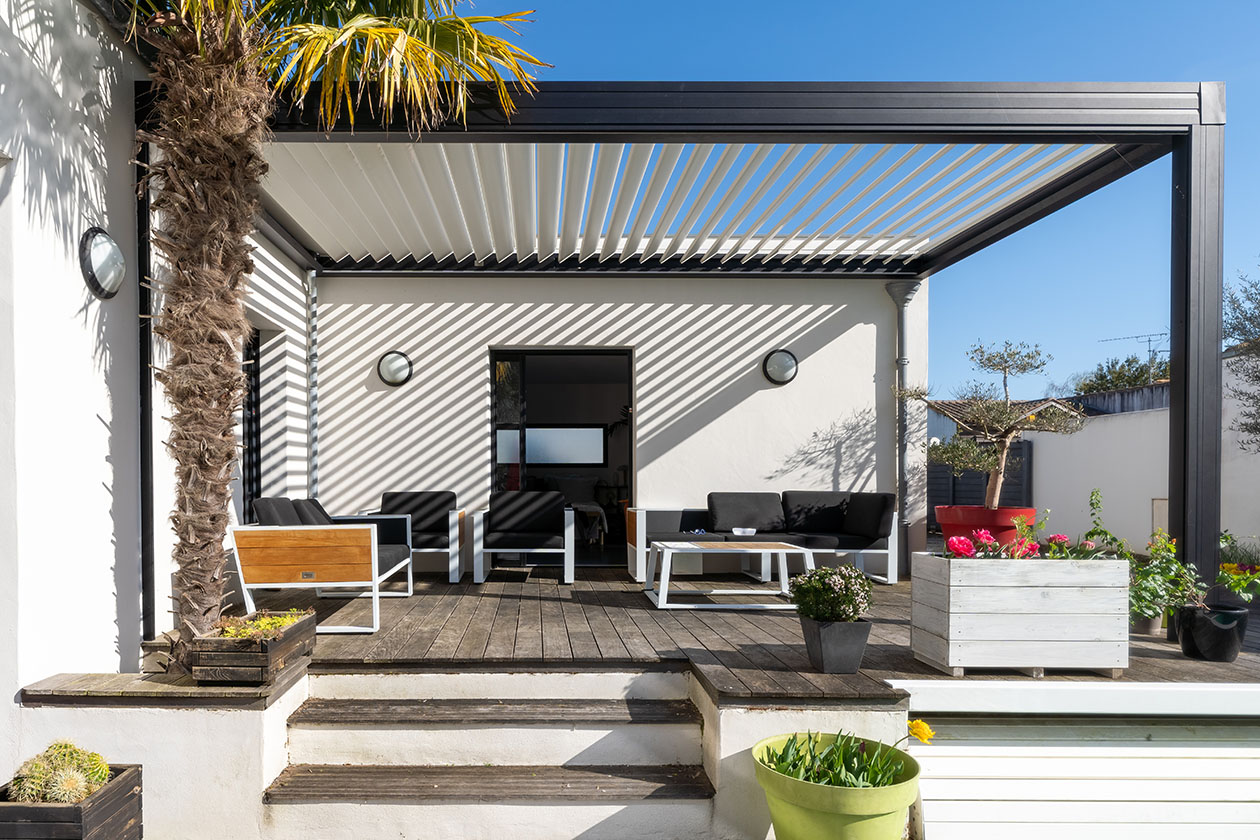
Aluminium Pergolas
Aluminium pergolas are often the preferred option for windy environments because they are:
- Strong but lightweight
- Corrosion resistant
- Structurally rigid
- Low maintenance
Powder-coated aluminium systems are commonly used in commercial hospitality settings and exposed rooftop environments but can equally be used in domestic gardens.
Timber Pergolas
Timber pergolas can also perform well if properly engineered and maintained, but they may require:
- Larger structural sections
- Ongoing maintenance
- Protection against moisture and warping
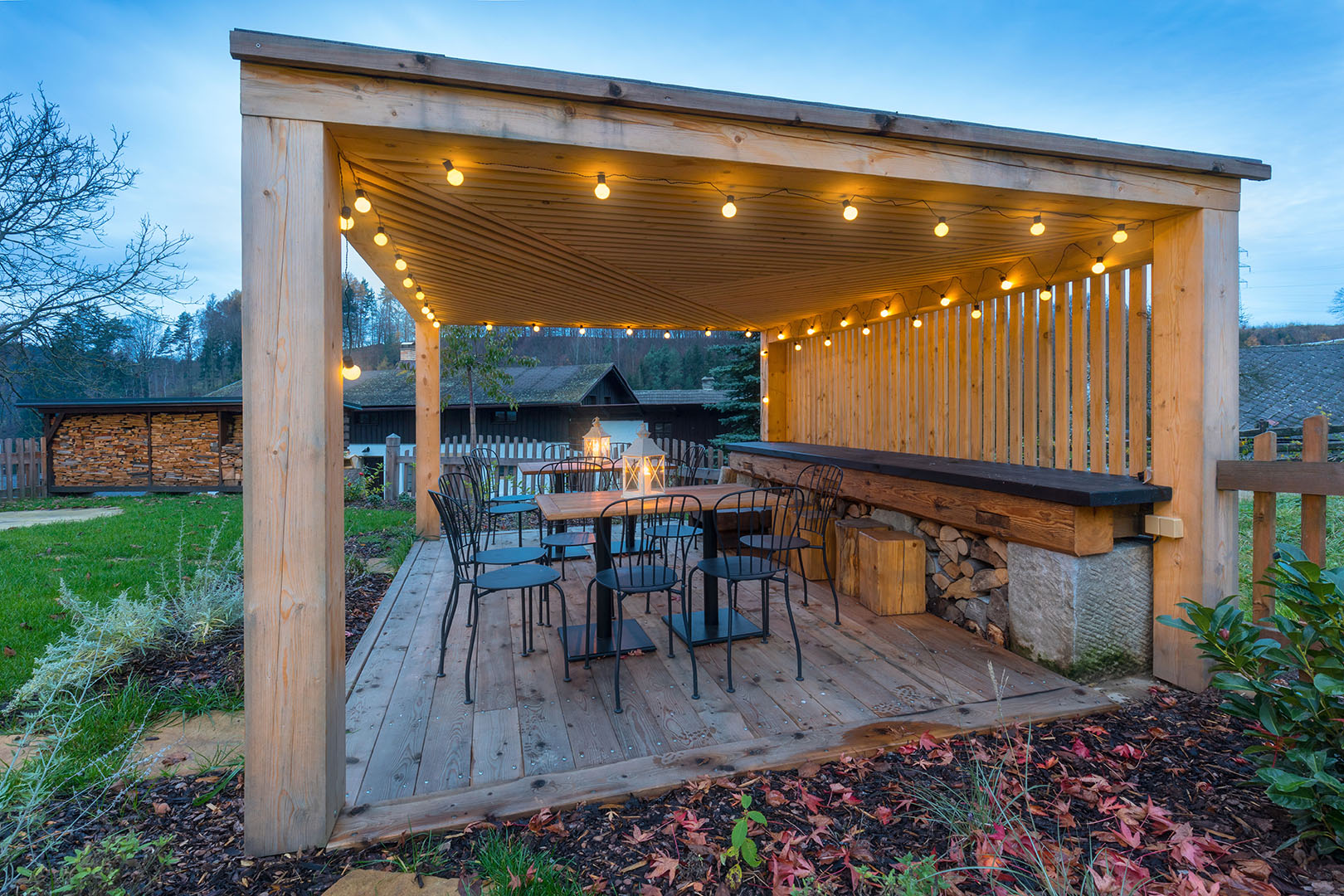
Using solidly constructed pergolas made from large, dense timber will perform well in wind, whilst those made from lightweight materials or those not properly fixed to the ground are very vulnerable. Timber pergolas are typically more preferrable for domestic gardens, due to their natural, rustic look.
Do Roofed Pergolas Catch More Wind?
Yes. Any pergola with a roof experiences greater wind loading than an open-top design.
This includes:
- Retractable roofs
- Louvred roofs
- Solid polycarbonate roofs
- Fabric canopies
- Side screens and shutters
The larger the enclosed surface area, the greater the ‘sail effect’ created by strong winds.
For this reason, many modern pergola systems include wind sensors, automatic louvre opening, and retractable awnings that close automatically. This is also where louvre roofs
The UK Met Office records that inland storm gusts can regularly exceed 50–60 mph (80–97 km/h) during severe weather events.
Frequently Asked Questions
Can a pergola blow away in strong wind?
Yes, poorly secured pergolas can become unstable or even detach during strong winds, especially if not anchored correctly.
Are aluminium pergolas better in windy areas?
In many cases, yes. Aluminium pergolas are often stronger, more rigid, and lower maintenance than lightweight timber alternatives.
Should pergola louvres stay open in wind?
Many manufacturers recommend partially opening louvres during strong winds to reduce pressure build-up.
Do retractable pergolas need wind sensors?
For motorised systems, wind sensors are strongly recommended as they can automatically retract roofs or awnings during sudden gusts.
Are pergolas safe in UK weather?
Professionally installed pergolas designed for UK conditions are generally very safe, provided they are correctly maintained and suitable for the location.
In Summary
Pergolas can absolutely be safe in windy conditions, but quality and installation matter enormously. A professionally installed, structurally rated pergola designed for UK weather will perform far better than a lightweight DIY structure with minimal anchoring.